
Source link : https://las-vegas-news.com/10-writers-who-changed-their-names-and-their-legacy/
A name on a book cover carries more weight than it might seem. It’s a declaration of identity, a signal to readers, sometimes a protective shield, and occasionally a completely invented persona with no direct connection to the person holding the pen. Throughout literary history, countless writers chose to step into print under a different name, whether to escape family judgment, dodge social prejudice, sidestep publishers’ expectations, or simply reinvent themselves entirely.
The reasons are as varied as the writers themselves. Some changes were practical. Others were deeply personal. A few were almost accidental. What’s striking, looking back across centuries of literature, is how often the assumed name outlasted the original one, and how thoroughly it shaped the work that followed.
1. Mark Twain (Samuel Langhorne Clemens)
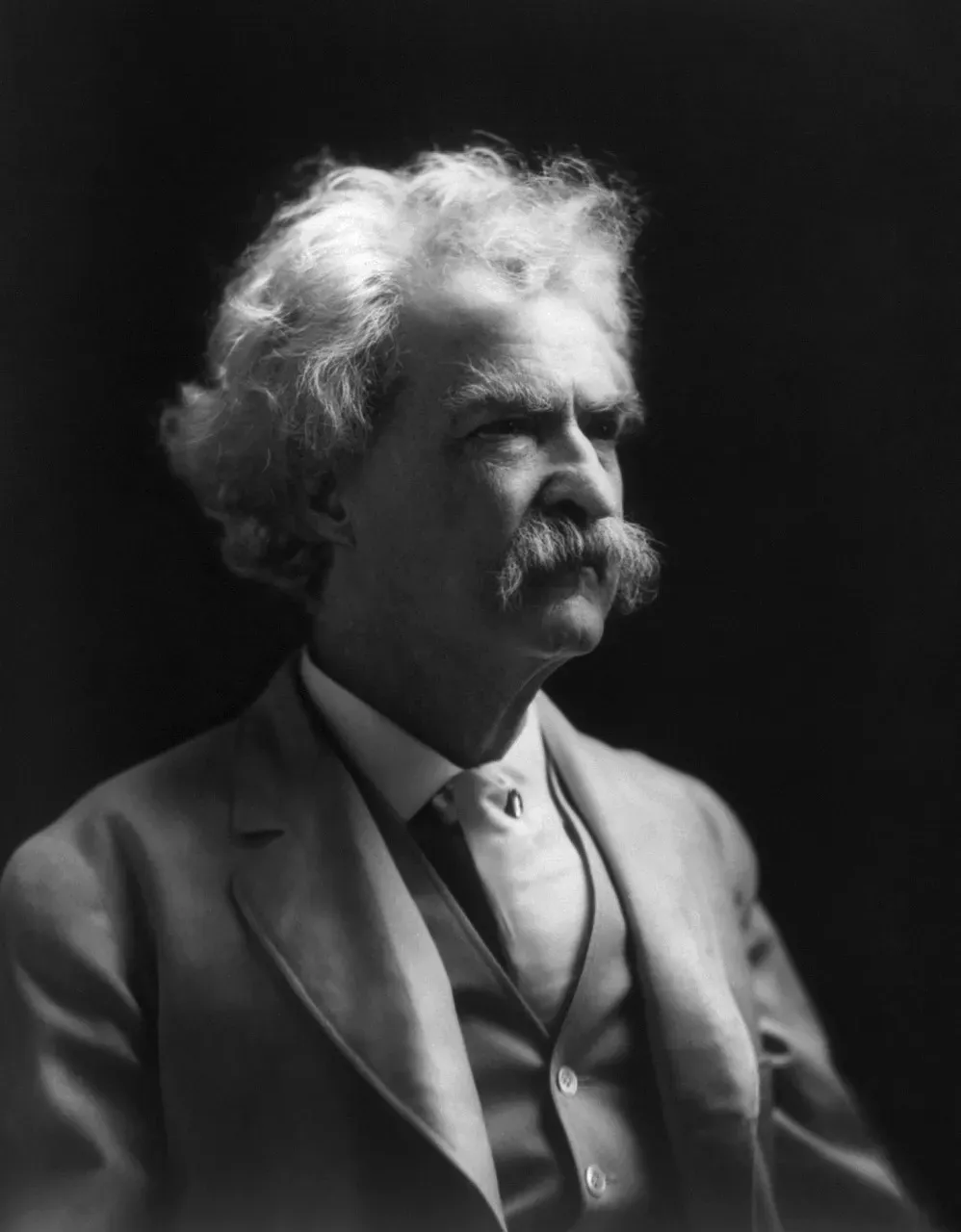
Samuel Langhorne Clemens adopted “Mark Twain,” a phrase from his days as a riverboat pilot, meaning two fathoms deep. The term “Mark Twain” is a river term that means “two fathoms,” or 12 feet, and its sounding on a riverboat meant it was safe to navigate the water. The name was practical in origin but became something far larger over time.
With works like The Adventures of Huckleberry Finn and The Adventures of Tom Sawyer, Twain exposed the contradictions and prejudices of his time, using wit as both shield and sword. What is less well known is that Clemens also…
—-
Author : Matthias Binder
Publish date : 2026-05-26 12:11:00
Copyright for syndicated content belongs to the linked Source.
—-
1 – 2 – 3 – 4 – 5 – 6 – 7 – 8