Source link : https://las-vegas-news.com/black-ice-and-desert-roads-the-specific-highway-stretch-that-becomes-a-death-trap-in-winter/
Most people picture black ice on a snowy mountain pass or a frozen Midwestern highway. What almost nobody expects is to find a nearly invisible sheet of ice on a desert road, in a region where the sun blazes for most of the year. That assumption, that the Southwest is too warm or too dry for serious winter hazards, is exactly the kind of thinking that has cost lives.
The stretch of Interstate 40 cutting through northern Arizona and New Mexico is one of the most quietly lethal winter corridors in the United States. It looks ordinary. It feels familiar. Yet when the temperature drops and moisture meets the pavement at elevation, it transforms into something truly dangerous. Read on, because what this highway becomes in winter is not what you would ever guess.
The Illusion of a Desert Road That Should Be Safe
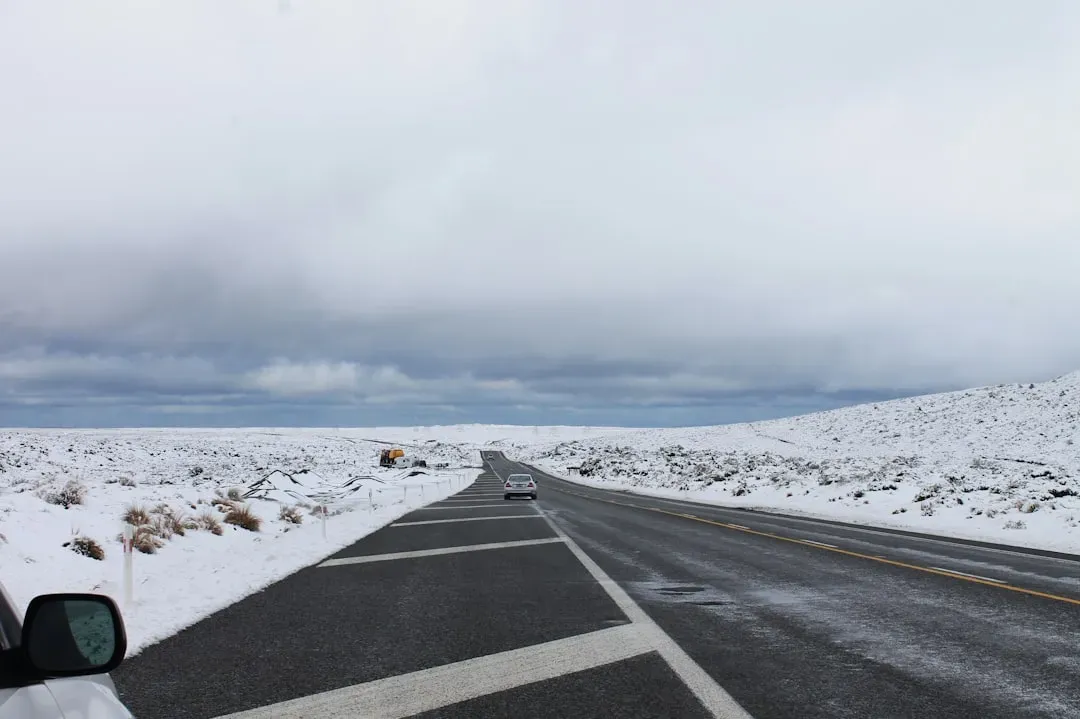
There is something deeply misleading about a road that runs through a sun-baked landscape. Drivers passing through the Sonoran and Colorado Plateau regions along I-40 carry a false sense of security, shaped by every prior drive they have ever taken through a dry, warm Southwest. The desert looks incapable of producing winter ice. That instinct is dangerously wrong.
Eastern Arizona and New Mexico’s stretch of I-40 sits at high elevations reaching up to 7,300 feet, where drivers can expect winter snow, strong crosswinds, and freezing nights. That elevation changes everything. You are not…
—-
Author : Matthias Binder
Publish date : 2026-03-10 12:58:00
Copyright for syndicated content belongs to the linked Source.
—-
1 – 2 – 3 – 4 – 5 – 6 – 7 – 8