Source link : https://las-vegas-news.com/the-delicate-art-of-translating-poetry-without-losing-its-soul/
Poetry stands as one of humanity’s most intimate forms of expression. When words dance across a page in their original language, they carry rhythm, emotion, and cultural nuance that seem impossible to capture elsewhere. Yet translators take on this monumental task every day, attempting to bridge languages while preserving something far more elusive than mere meaning.
The challenge goes beyond swapping words from one tongue to another. It’s about recreating an entire emotional landscape in a completely different linguistic terrain. Let’s explore how the best translators manage to pull off this seemingly impossible feat.
The Rhythm Problem That Keeps Translators Awake
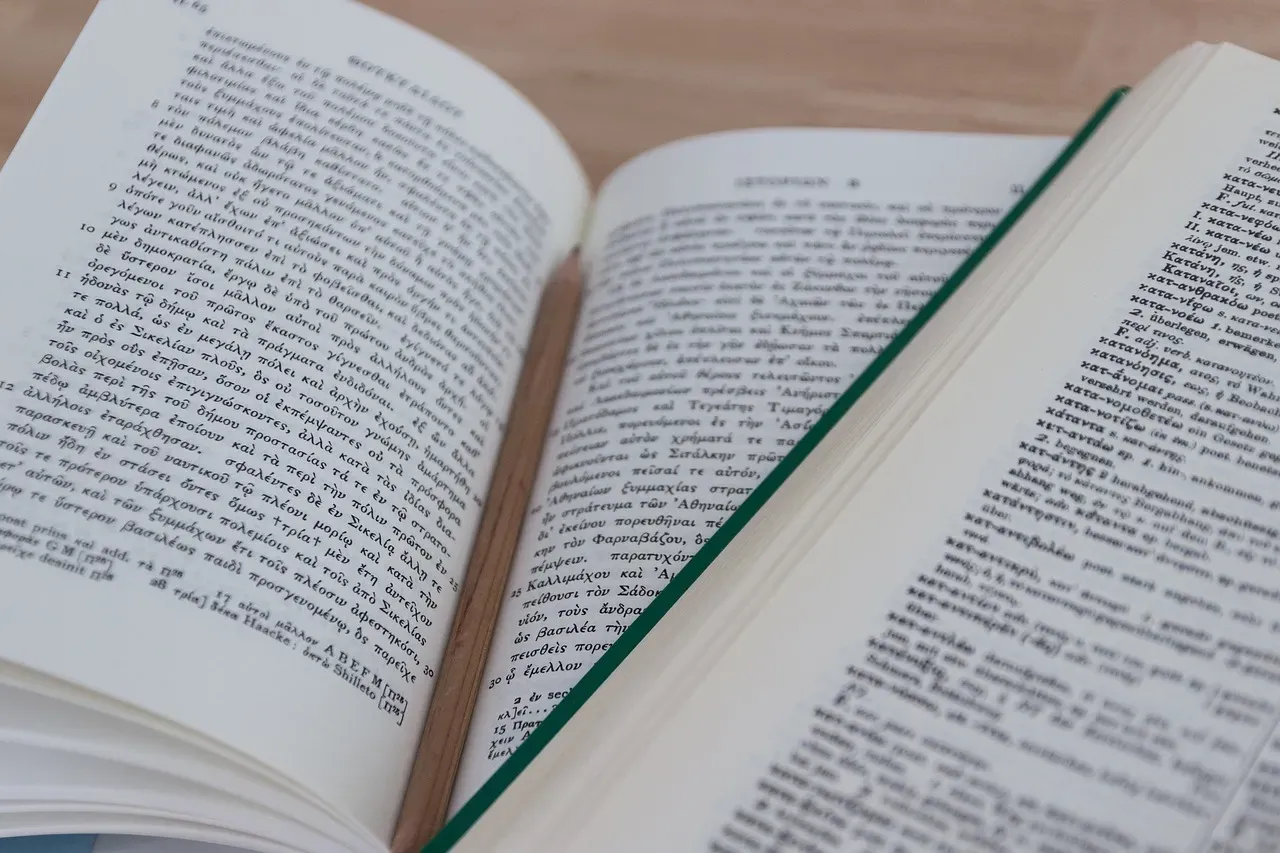
Every language has its own musical quality. Spanish flows differently than German. Japanese syllables don’t behave like English ones. When a poem depends heavily on its rhythm and meter, translators face an agonizing choice.
They can either preserve the original’s rhythmic structure and sacrifice literal meaning, or maintain precise meaning while the music dies. There’s rarely a perfect middle ground. Some translators spend months on a single stanza, testing different combinations until something clicks.
The most skilled ones develop an ear for both languages simultaneously. They hear the ghost of the original rhythm while crafting new patterns that feel natural in the target language. It’s like learning to whistle two…
—-
Author : Matthias Binder
Publish date : 2026-02-11 11:33:00
Copyright for syndicated content belongs to the linked Source.
—-
1 – 2 – 3 – 4 – 5 – 6 – 7 – 8