

Source link : https://las-vegas-news.com/beltway-bottlenecks-why-the-bruce-woodbury-beltway-still-struggles-with-high-speed-traffic/
Few roads in the American Southwest carry as much weight as the Bruce Woodbury Beltway. Looping around three-quarters of the Las Vegas Valley, it connects commuters, freight haulers, airport travelers, and suburbanites across a metro that barely stops growing. Yet for all its impressive scale, the beltway remains a daily frustration for hundreds of thousands of drivers.
The problems are real, persistent, and increasingly well-documented. Population growth, interchange bottlenecks, freight surges, and an infrastructure that was never fully designed for today’s demand have all collided on the same stretch of asphalt. Here’s a clear-eyed look at why this critical corridor continues to struggle.
A Beltway Built in Stages – and the Gaps That Still Show

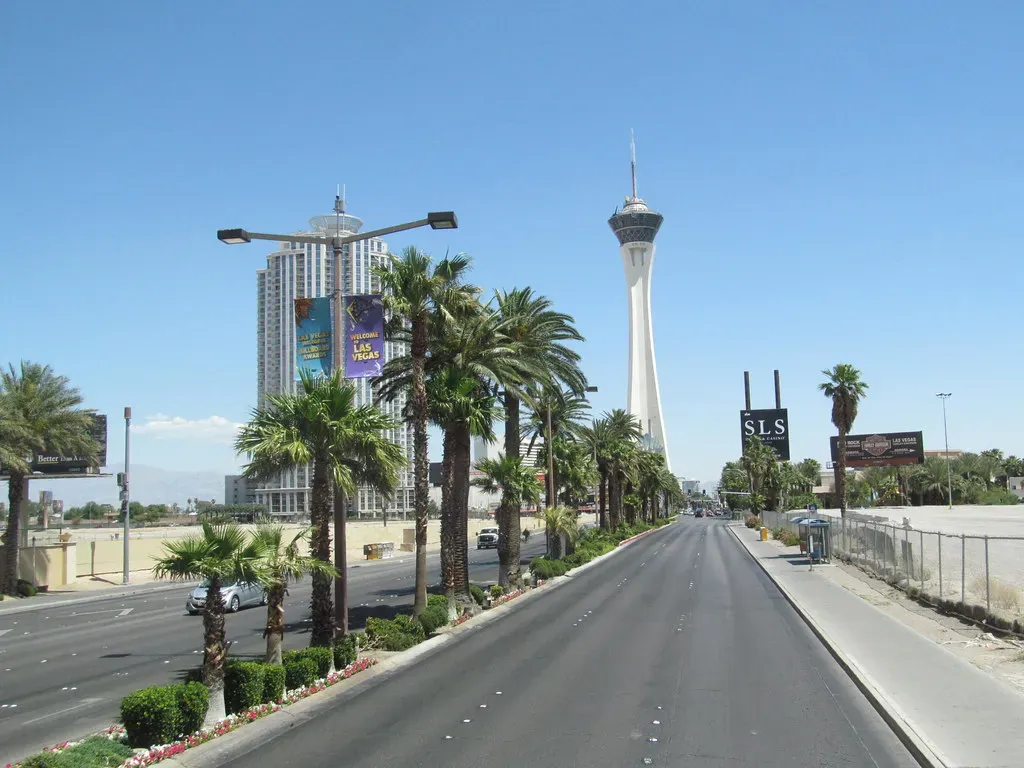
The Las Vegas Beltway, officially named the Bruce Woodbury Beltway and locally known as The 215, is a 50-mile beltway route circling three-quarters of the Las Vegas Valley in southern Nevada. Its scale is impressive on paper. In practice, its patchwork construction history still shows up in uneven lane configurations and capacity gaps.
Completion of the initial stretch of I-215 in 1996 consisted of a short spur between I-15 and Harry Reid International Airport. Additional segments were built between 1996 and 1999, with the final mile between Gibson Road and I-515 completed by 2005. The beltway’s design reflects those different…
—-
Author : Matthias Binder
Publish date : 2026-04-13 11:09:00
Copyright for syndicated content belongs to the linked Source.
—-
1 – 2 – 3 – 4 – 5 – 6 – 7 – 8