Source link : https://las-vegas-news.com/the-6-secret-techniques-behind-van-goghs-starry-night/
Few paintings in the entire history of Western art stop people in their tracks the way The Starry Night does. It is an oil-on-canvas painting by the Dutch Post-Impressionist painter Vincent van Gogh, painted in June 1889, depicting the view from the east-facing window of his asylum room at Saint-Rémy-de-Provence, just before sunrise, with the addition of an imaginary village. Described as a “touchstone of modern art,” The Starry Night has been regarded as one of the most recognizable paintings in the Western canon. What most viewers never realize, though, is how many deliberate, almost scientific decisions went into every inch of that swirling sky. Behind the beauty lies a set of techniques so precise they have kept physicists, art historians, and neuroscientists busy for decades.
1. The Impasto Method – Paint as Sculpture

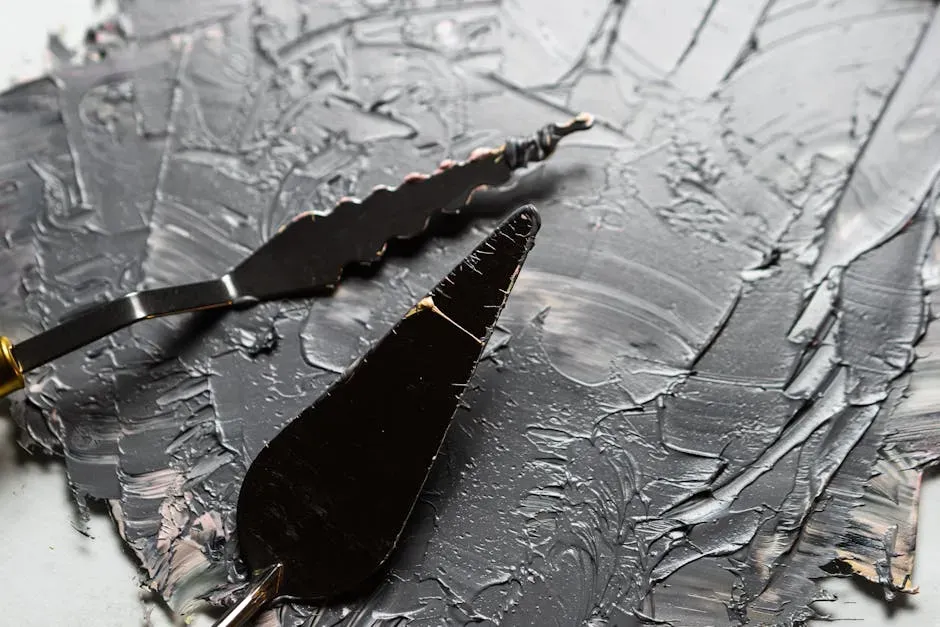
Impasto is a painting term that refers to the use of thickly textured, undiluted paint that appears almost three-dimensional on the canvas. When an artist uses the impasto technique, they usually leave visible brush strokes on the finished painting, applying the undiluted color to the canvas, frequently with a palette knife, and mixing colors on the canvas to attain the desired color. Van Gogh didn’t merely use this approach as an aesthetic preference – he understood what it did to light. The appearance of an impasto painting is greatly impacted by the lighting in the…
—-
Author : Matthias Binder
Publish date : 2026-03-09 13:43:00
Copyright for syndicated content belongs to the linked Source.
—-
1 – 2 – 3 – 4 – 5 – 6 – 7 – 8